
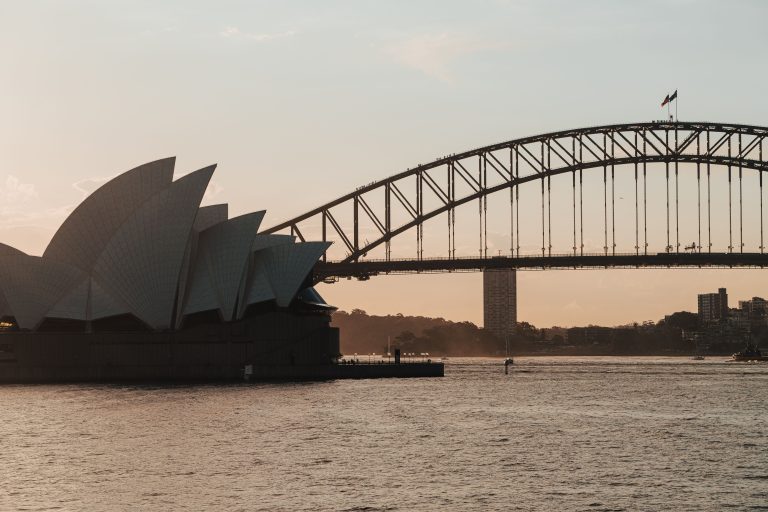
Most waterfront city lists rank places by the view. That gets the question backwards. A skyline photograph takes ten seconds to produce. A waterfront that organizes ordinary life takes decades of decisions that were often unpopular while they were being made.
So the cities below are not ranked by beauty. They are ranked by whether the water still belongs to the people who live beside it. I picked the ones where you would still want to be standing on the quay on a wet Tuesday in November, after the tour boats have docked and the cafés have pulled their chairs inside.
One honest warning before you book: the season matters more than the city. Every entry here has a stretch of the year when it is miserable, and a few have a peak that has been priced and queued into something close to a theme park.
Venice: the lagoon city most people visit without walking it
Venice is the only city on this list where the water is not an amenity. Canals are the road network. Everything that arrives by land has to be carried over bridges, which is why a hotel near a vaporetto stop matters far more than the star rating.
My read is that the classic July day trip is the single most overrated waterfront experience in Europe. You arrive with the crowd, you leave with the crowd, and you spend the middle of the day queuing for a view you have already seen on a hundred screens. Venice now charges a day visitor access fee to soften exactly that pattern. For 2026 the fee ran on 60 chargeable days between 3 April and 26 July, at 5 euros if you register four days ahead and 10 euros if you leave it to the last three days. It applies from 8:30 in the morning until 4 in the afternoon and does not apply to the smaller islands. Overnight guests are exempt, which is the city quietly telling you what it wants.
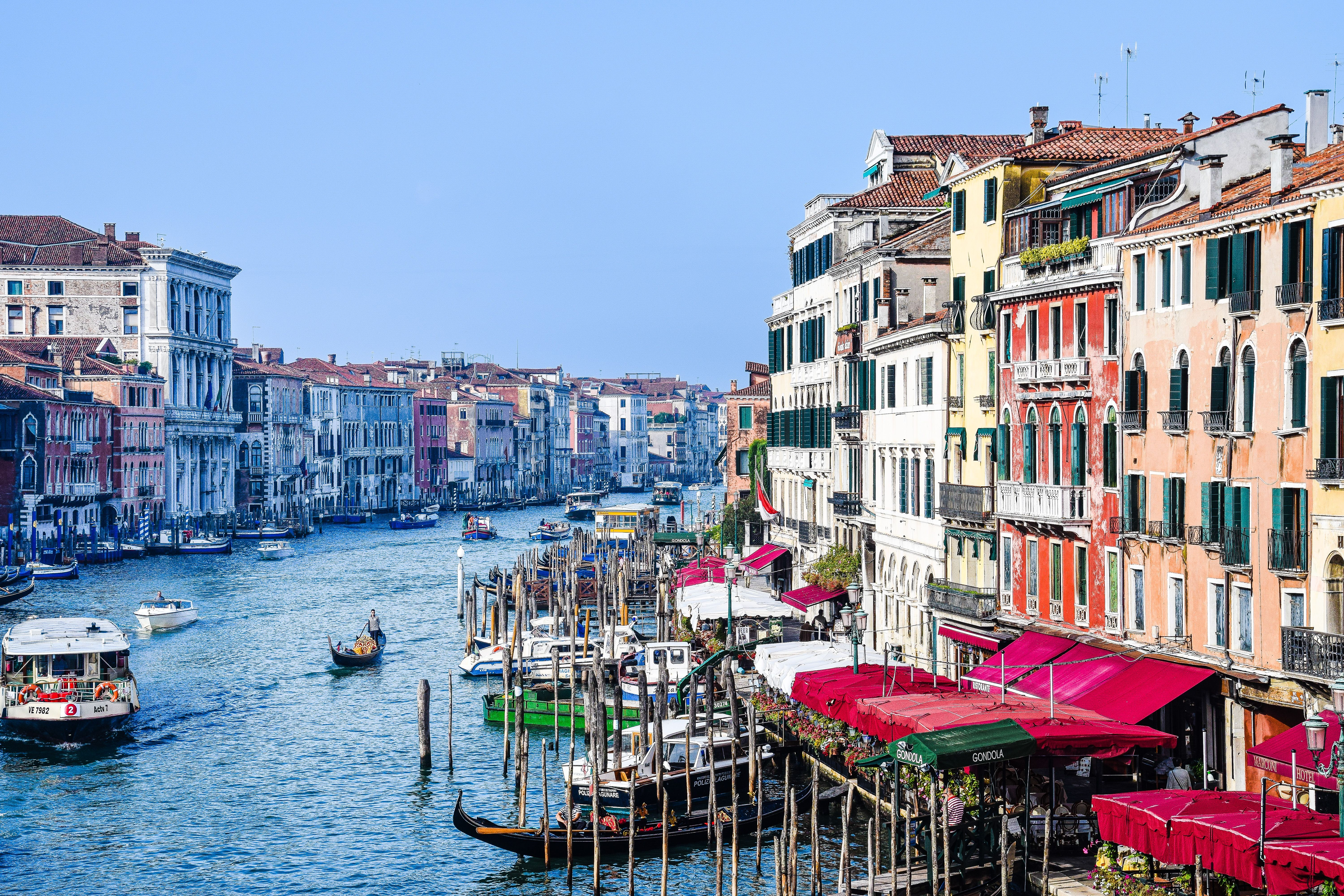
Stay the night and the arithmetic changes. The Lido gives you a proper beach within a short boat ride, Burano and Murano empty out after lunch, and the city after dark is a different place entirely. I would rather have two slow evenings in Cannaregio than a full day of Monument Valley crowds between the Rialto and San Marco.
Singapore: a bay engineered to be seen at night
Marina Bay looks like something a design committee approved and then refused to compromise on. That is close to what happened. The whole basin is reclaimed and planned, which is why the curves line up so well from every angle, and why the light show is as much a piece of infrastructure as a tourist attraction.
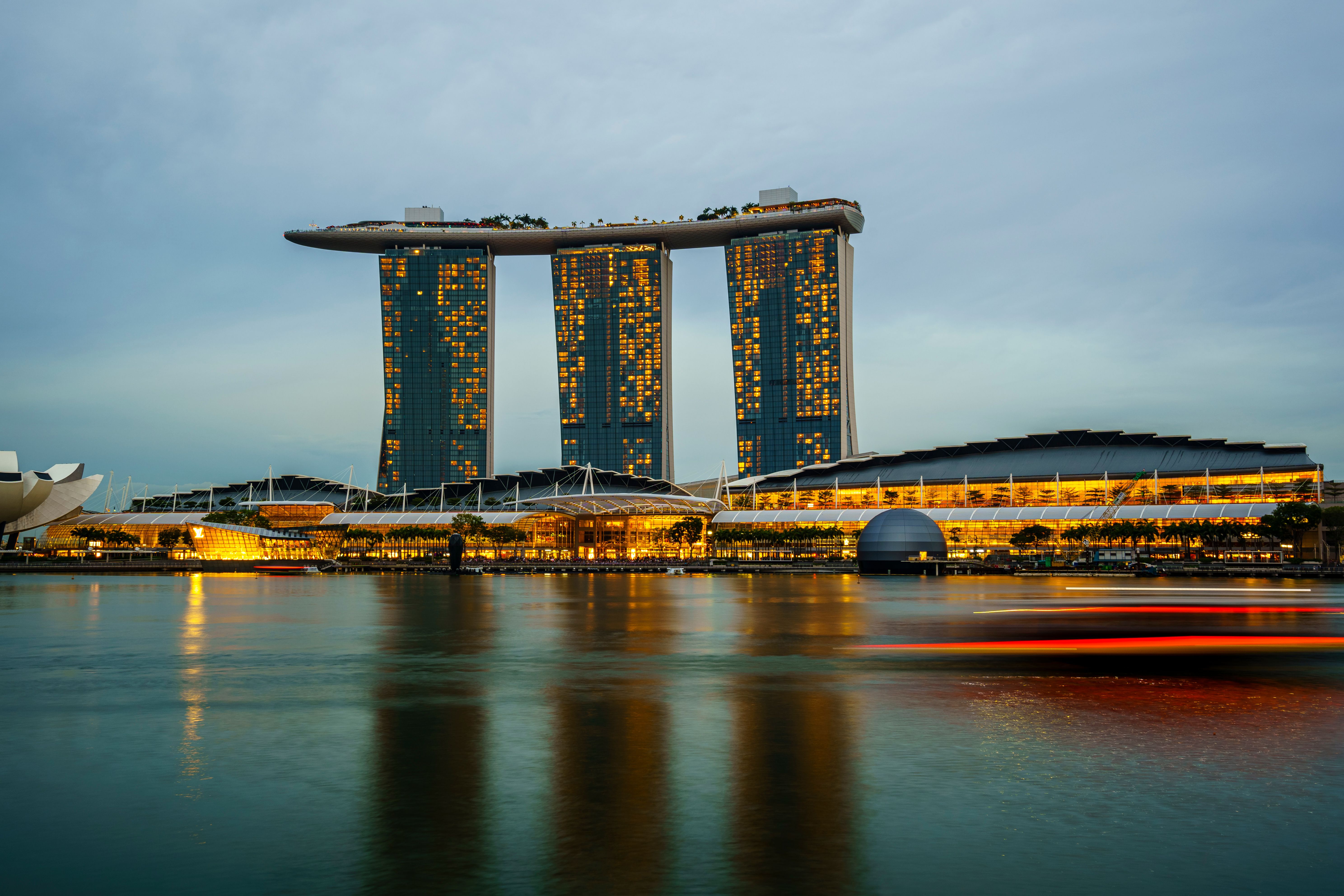
The waterfront here rewards a specific habit: go late. The promenade around the bay is free, the crowds thin after the Suntec area empties, and the water carries the reflections in a way that daytime photographs never quite capture. Gardens by the Bay is worth a slow walk, though I would skip the paid conservatories on a first visit and put the money toward a hawker dinner instead. A plate of chilli crab costs less than an observatory ticket and tells you more about the city.
The trade-off is that this is polished to a degree that can feel frictionless. If you want a waterfront with grit and argument, Singapore will not give it to you. If you want one that works flawlessly at eleven at night, nothing else on this list comes close.
Cape Town: when the mountain does the heavy lifting
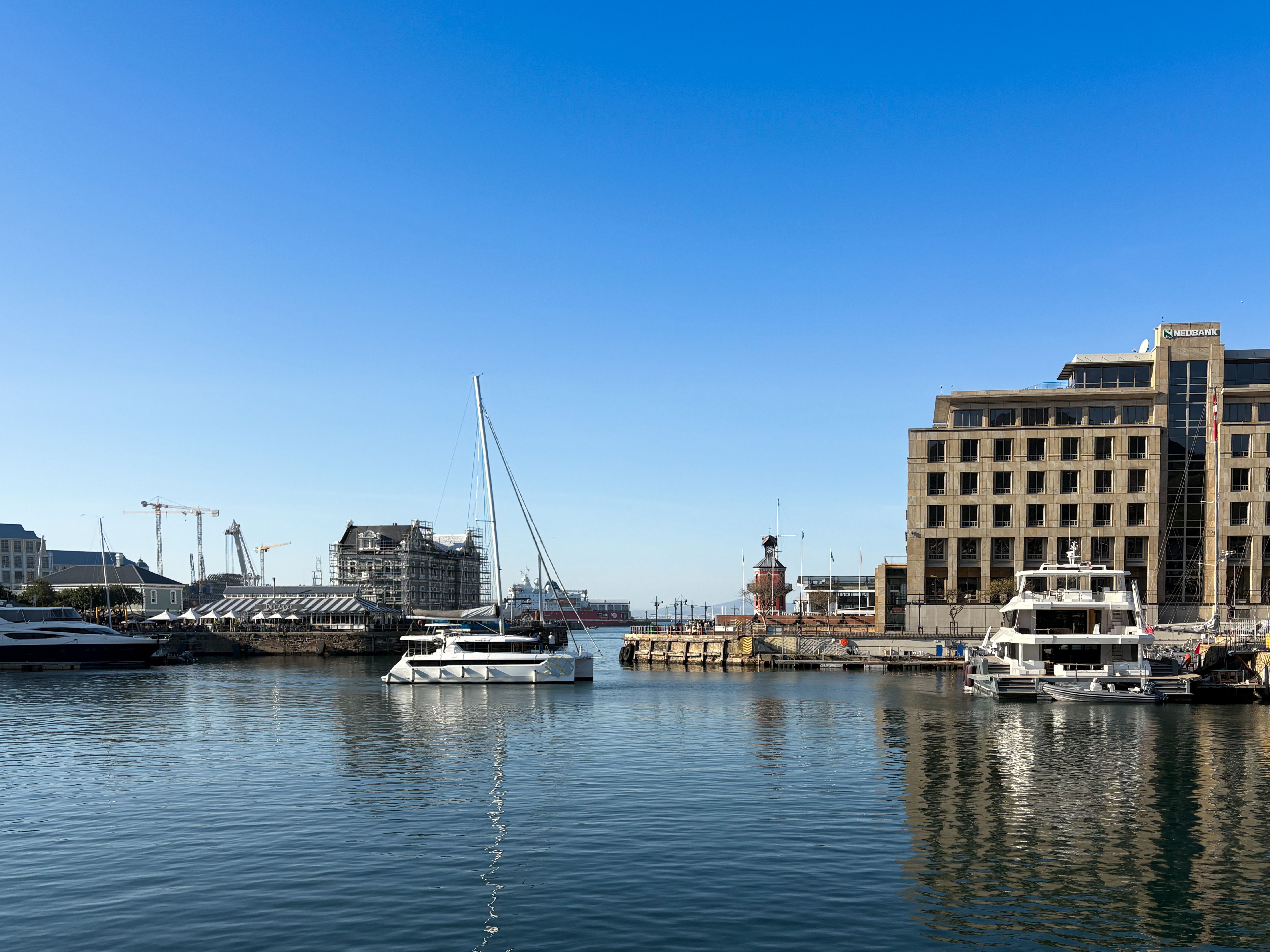
The V&A Waterfront is a working harbour first and a leisure district second, and that is the best thing about it. Table Mountain sits behind the cranes in a way that no architect could have arranged, and the combination of container ships and that backdrop is the whole show.
The Silo District is where the smart money has gone. A century old grain silo was carved out and turned into the Zeitz Museum of Contemporary Art Africa, which collects and shows work from across the continent and its diaspora. Adult tickets run around R265, and the building itself is worth an hour before you look at a single canvas. The carved atrium is the kind of space that makes people go quiet.
Go between November and March if you plan to swim. The Atlantic on this side is cold year round, which surprises first timers who book Camps Bay expecting the Indian Ocean. A wetsuit is not a fashion statement here.
Chicago: the waterfront most visitors never think to rank
I think Chicago has the best waterfront value of any major city in the United States, and almost nobody puts it on these lists. The Lakefront Trail runs 18.5 miles along Lake Michigan, it is free, and it stays open around the clock. On a busy summer day it carries something like 70,000 people, and the 2018 separation project split the old combined path into dedicated bike and pedestrian routes, so you are not fighting for space the whole way.
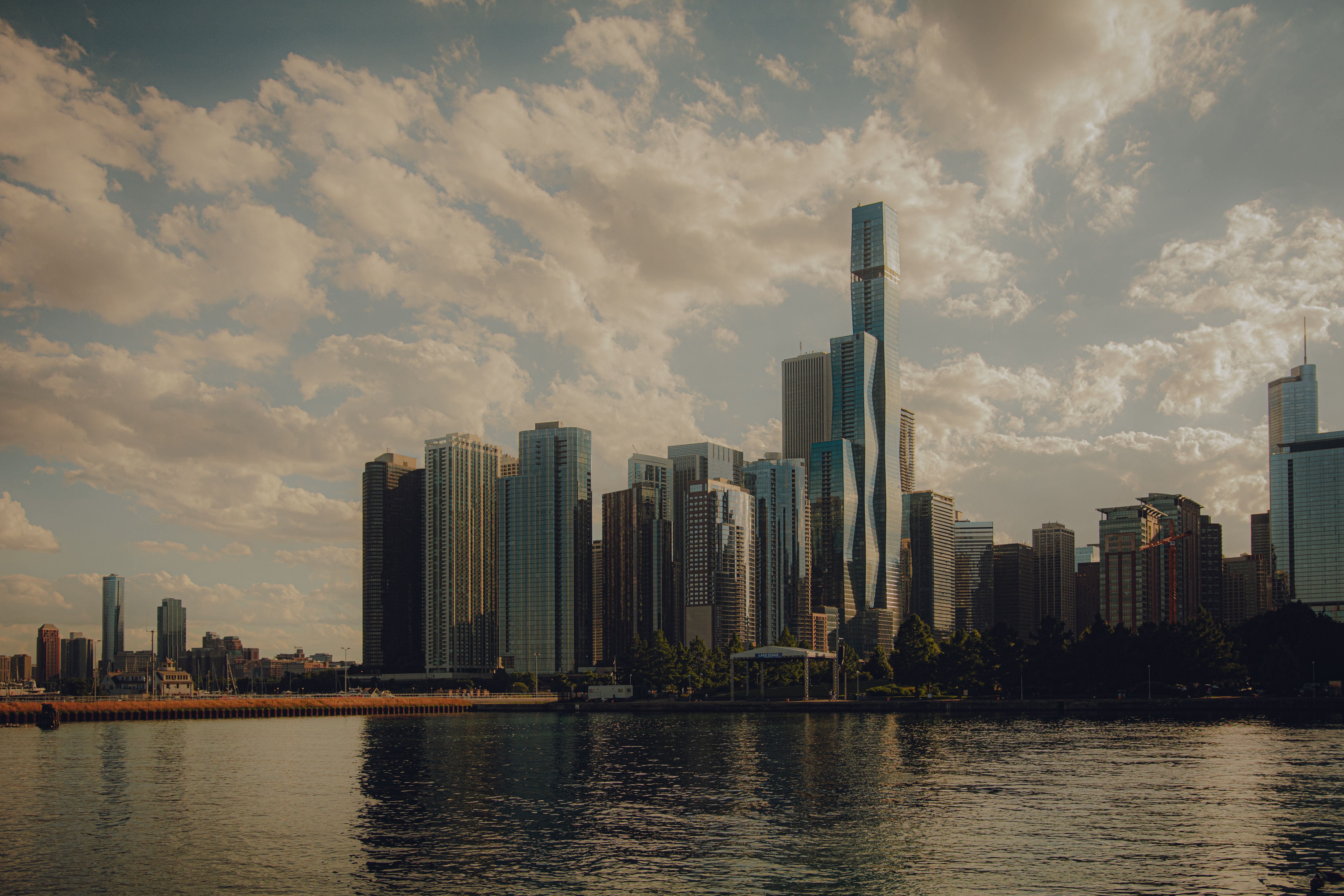
The lake reads as an ocean from the trail, which is why the skyline photographs so well. You get the view that people pay observation deck prices for, and you get it while walking, for nothing. The Riverwalk downtown is a good second act, especially at dusk when the bridges light up.
What stops Chicago from topping this list is winter. The trail remains open, and a handful of hardy runners use it in January, but the wind off the lake turns a pleasant stroll into a test of character.
Lisbon: the river city that quietly outclasses the coast
Lisbon gets sold as a gateway to the beaches, and the beaches are fine. The Tagus is the better story. The river is wide enough to feel like a sea, the 25 de Abril bridge gives the whole southern bank a scale that flatters even ordinary buildings, and Belém at the water’s edge holds the monuments and the pastry queue worth standing in.
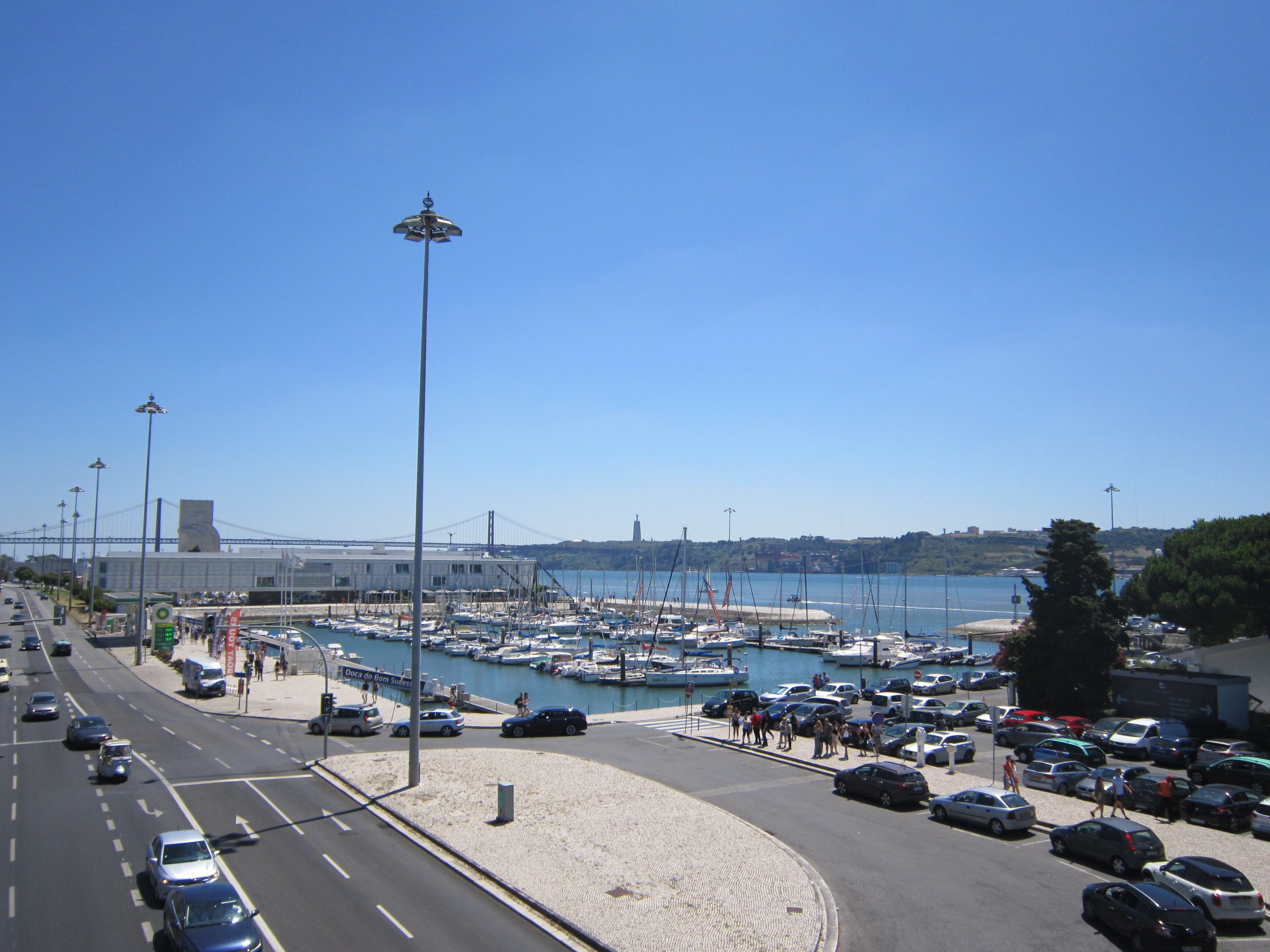
Ride the river ferries rather than treating them as transport. They are cheap, they run constantly, and the view back toward the city is the one locals actually stop to look at. Tram 15 along the water is slower than the metro and worth it exactly once, preferably early, before it fills.
Skip August if you can. The heat settles into the stone and the riverside restaurants fill with people who all arrived on the same flight. May, June and September give you the light without the crush.
Liverpool: the waterfront that rebuilt itself from dereliction
Liverpool’s waterfront is a two mile run of docks, warehouses and statues rather than a single set piece. The Royal Albert Dock opened in 1846, designed by Jesse Hartley as the first dock warehouse complex in Britain built without structural timber, which made it effectively fireproof at a time when wooden warehouses regularly burned to the ground. It sat derelict by the 1980s before the restoration that turned it into the city’s cultural heart.
Two of the museums inside cost nothing. The Merseyside Maritime Museum and the International Slavery Museum share a building, and the second is one of the most serious accounts anywhere of Liverpool’s central role in the transatlantic slave trade. Plan ninety minutes for it. The wider dock makes more sense afterwards.
The riverfront does not close when the museums do. Waterfront dining, a passenger ferry that has been running for nearly two centuries, and an evening economy that includes Liverpool escorts keep the quays busy well past the last gallery tour. That mix of free daytime culture and a real night-time trade is why I rate this stretch above the prettier but emptier showpieces further south.
Adelaide: the quiet city beach you reach by tram
Adelaide is the Australian city that travellers skip on the way to Melbourne, and its waterfront is a large part of why that is a mistake. Glenelg sits about nine kilometres from the CBD, and a tram runs straight from the city centre to Moseley Square. You step off onto sand. Very few cities make a decent beach this easy without a car.
The jetty stretches 215 metres into Gulf St Vincent. The beach is calm and shallow, which suits families, and a resident pod of dolphins works Holdfast Bay just offshore. The Esplanade coastal path runs seven kilometres south to Seacliff on a sealed, wheelchair accessible route past jetties, cafés and Aboriginal cultural sites.
The Ferris wheel only runs from late October to mid May, so a winter visit will miss it. The marina strip at Holdfast Shores has become the city’s evening address, the sort of place where Adelaide escorts and office workers end up in the same queue for a table on a Friday. Come between November and March for the swimming, or in the shoulder months for an empty beach and a car park without the circling.
Mumbai: Marine Drive is a city square built on the sea
Marine Drive curves for about 3.6 kilometres around Back Bay, and the streetlights make it look, from Malabar Hill at night, like a string of pearls. That is the origin of the Queen’s Necklace name. What the nickname oversells is the geometry. What it undersells is how much the promenade is used.
This is Mumbai’s shared living room. Joggers at dawn, families at sunset, street food vendors, students, cricket arguments, couples watching the Arabian Sea. The Art Deco facades behind it form one of the densest such assemblages in the world, and the precinct is part of the Victorian Gothic and Art Deco Ensembles inscribed by UNESCO in 2018. The tetrapods along the shoreline are not decoration either. They absorb wave energy and hold the reclaimed land in place.
After dark the hotels behind the promenade trade on the same view, and the after-dark economy, including Mumbai escorts, runs alongside the families and hawkers who own the pavement every evening. Come between November and February. Monsoon is spectacular from a distance and soaking up close.
The comparison, in numbers
| City | Why the water matters | Cost signal | Best window |
|---|---|---|---|
| Venice | Canals are the road network | Day access fee 5 to 10 euros on 60 dates in 2026 | May and September |
| Singapore | A planned bay that performs after dark | Bay promenade and light show free; conservatories ticketed | Any month, evenings |
| Cape Town | Working harbour under Table Mountain | Zeitz MOCAA around R265 for adults | November to March |
| Chicago | 18.5 mile free trail along Lake Michigan | Trail and lakefront parks free, open 24 hours | June to September |
| Lisbon | River wide enough to read as sea | Ferries cheap; riverfront monuments largely low cost | May, June, September |
| Liverpool | Two miles of dock heritage | Maritime and Slavery museums free | May to September |
| Adelaide | City beach on a tram line | Jetty, beach and coastal path free | November to March |
| Mumbai | Art Deco promenade as public space | Marine Drive free | November to February |
Figures checked in September 2026 from the Venice access fee authority, the Chicago Park District, Zeitz MOCAA, and municipal waterfront sources. Venice’s fee dates and amounts are reviewed annually, and the 2026 trial ended on 26 July, so recheck before a spring 2027 trip.
Questions people actually ask
Do I have to pay to enter Venice in 2026?
Only on the designated chargeable days. The 2026 access fee applied on 60 days between 3 April and 26 July, between 8:30 and 16:00. It cost 5 euros if booked at least four days ahead and 10 euros inside the final three days. Overnight guests, residents, students and children under 14 were exempt. Outside the trial period, no fee applies.
Which of these cities is best for a first trip abroad?
Lisbon. It is compact, the riverfront is walkable, English is widely spoken in tourist areas, and a short break does not depend on long internal travel. Venice is easier to get wrong because the crowds punish poor timing.
Where can I get a great waterfront walk without paying for attractions?
Chicago wins on scale. The Lakefront Trail is 18.5 miles, free and open 24 hours. Liverpool is the best free option in the UK, since the dock itself and two of its major museums cost nothing. Mumbai’s Marine Drive is free and open at all hours, though the promenade gets crowded at sunset.
When should I avoid these destinations?
Venice in July, Lisbon in August, and Chicago in January. Adelaide’s Ferris wheel and beach club close through the colder months, and Mumbai’s monsoon from June to September makes the promenade wet and the sea rough.
Is a waterfront hotel worth the premium?
In Venice and Cape Town, yes, because the water is the experience. In Singapore and Chicago, no. Both have fast transit, and the savings are better spent on food and entry tickets.
How this list was put together
I ranked these cities on whether the waterfront carries daily civic life, not on how it photographs. I checked entry fees, trail lengths, opening seasons and ticket prices against primary sources in September 2026, including the official Venice access fee authority, the Chicago Park District and Zeitz MOCAA. Where a figure changes each year, I have said so in the text. I did not visit all eight this year, and two of the cost estimates come from operator listings rather than my own receipts, so treat those as indicative. Recheck anything time-bound before booking a spring or summer 2027 trip.