
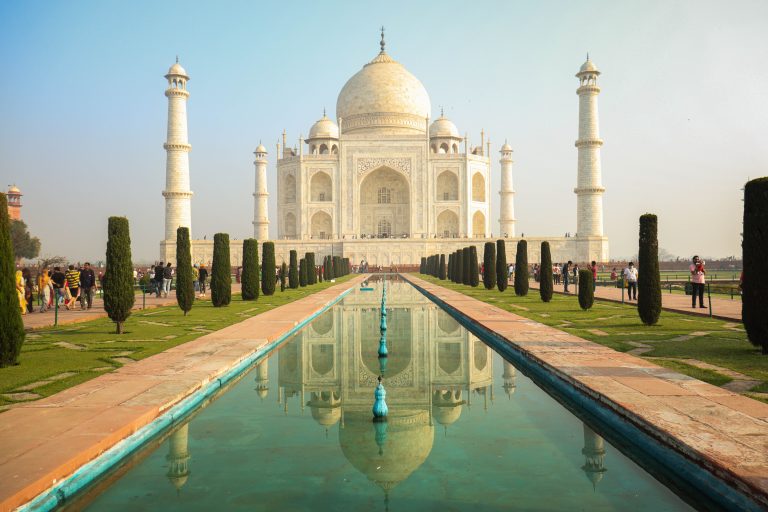
Most people planning their first India trip try to solve it like a checklist: Taj Mahal, a beach, maybe a temple. That approach usually produces a rushed, exhausting two weeks. India rewards the opposite instinct. Pick four or five regions that are genuinely different from each other, give each one enough days to breathe, and skip the rest for a second trip. Below is the version of that list I’d actually hand someone before they book flights, built from five places that keep earning their spot for good reasons, plus three cities you’ll likely pass through anyway.
The shape of a first India trip
India’s official tourism data shows something worth knowing before you plan a route: international arrivals actually dipped in 2025, down to about 20.09 million from 20.57 million the year before, even as domestic travel inside India jumped 45.6% to 4.29 billion trips. Foreign visitors who do come stay a long time, averaging 18.12 days according to the Ministry of Tourism’s data portal. That’s the model worth copying. A first trip that tries to cover the whole country in ten days will feel like an airport tour. One built around a smaller set of regions, taken slowly, is what most experienced travelers end up wishing they’d done from the start.
Getting in has gotten easier. India’s e-Tourist Visa now covers 172 countries, and as of late 2025 you can apply up to 120 days before you travel instead of the old 30-day window. The only legitimate place to apply is indianvisaonline.gov.in. Every third-party site promising an “express” visa is charging you extra for nothing. One newer wrinkle worth flagging: since April 2026, all foreign arrivals need a digital e-Arrival Card filed 24 to 72 hours ahead, replacing the old paper form entirely.
Jaipur: the fort city that anchors the Golden Triangle
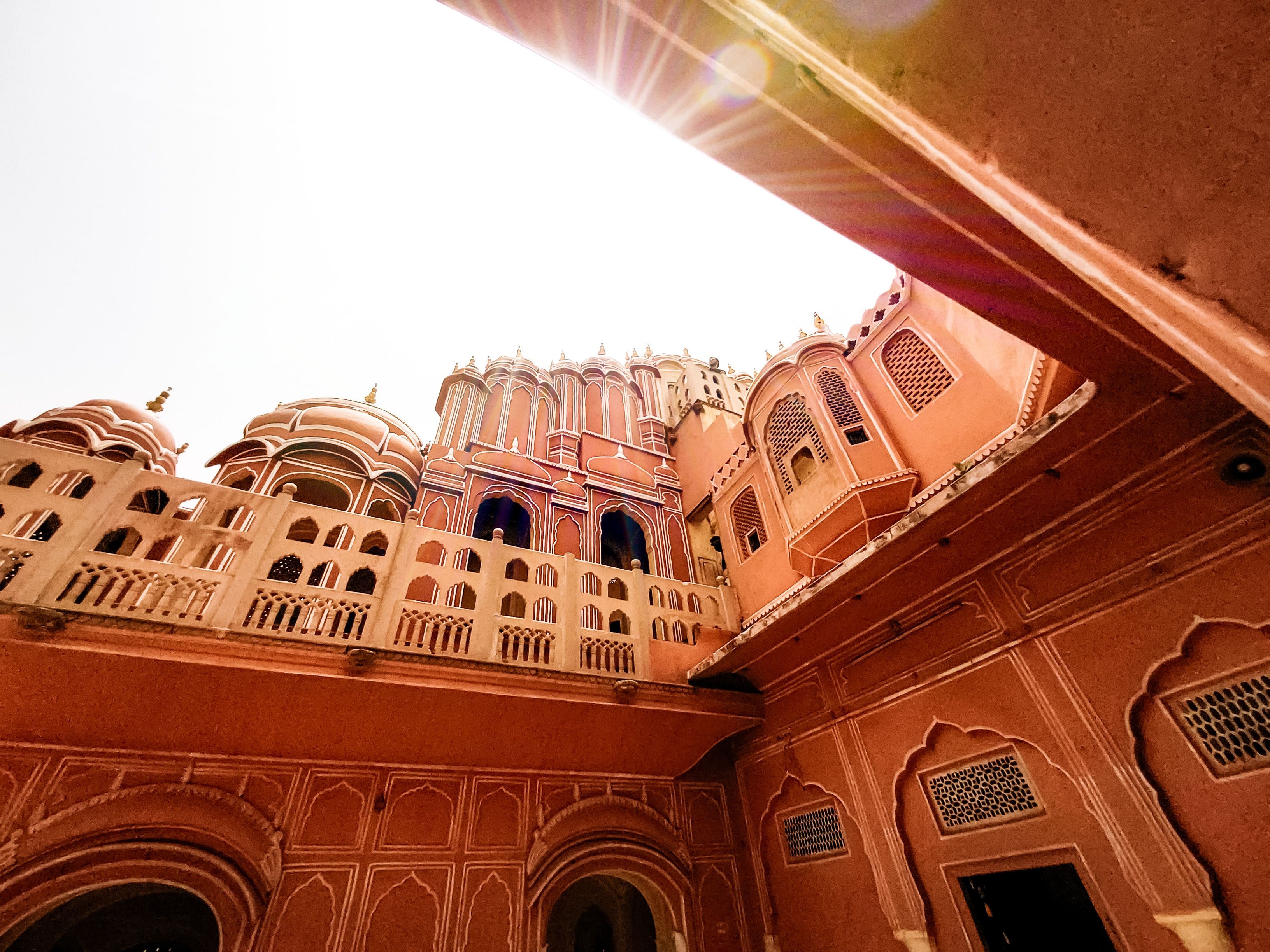
Jaipur’s Hawa Mahal is the image everyone has seen before they’ve heard the name Jaipur, and there’s a detail most photos leave out: you don’t need a ticket to get the shot. The 953-window sandstone façade faces the street and is visible free from the pavement. The ticket, ₹100 for Indian visitors and ₹600 for foreign ones as of the January 2026 fee revision, only covers going inside. Show up between 9 and 10:30am if you want the light hitting the front straight on; by midday it flattens out.
Give Jaipur three nights, not one rushed day trip from Delhi. One day for Amber Fort and a hill fort, one for the old city (City Palace, Jantar Mantar, the bazaars around Hawa Mahal), and a spare day for whatever runs long. A combined ticket covering Hawa Mahal, City Palace, Amber Fort, and Jantar Mantar works out cheaper than buying each separately. Skip the elephant ride pitched outside Amber Fort. It’s not historically part of the palace experience and most operators can’t demonstrate decent animal welfare standards.
Jaipur sits roughly 280 km from Delhi, about 4.5 to 6 hours by road or a similar time on the Ajmer Shatabdi Express, which makes it the natural second stop after landing in the capital.
Varanasi: the one city that changes how you see the rest of the trip
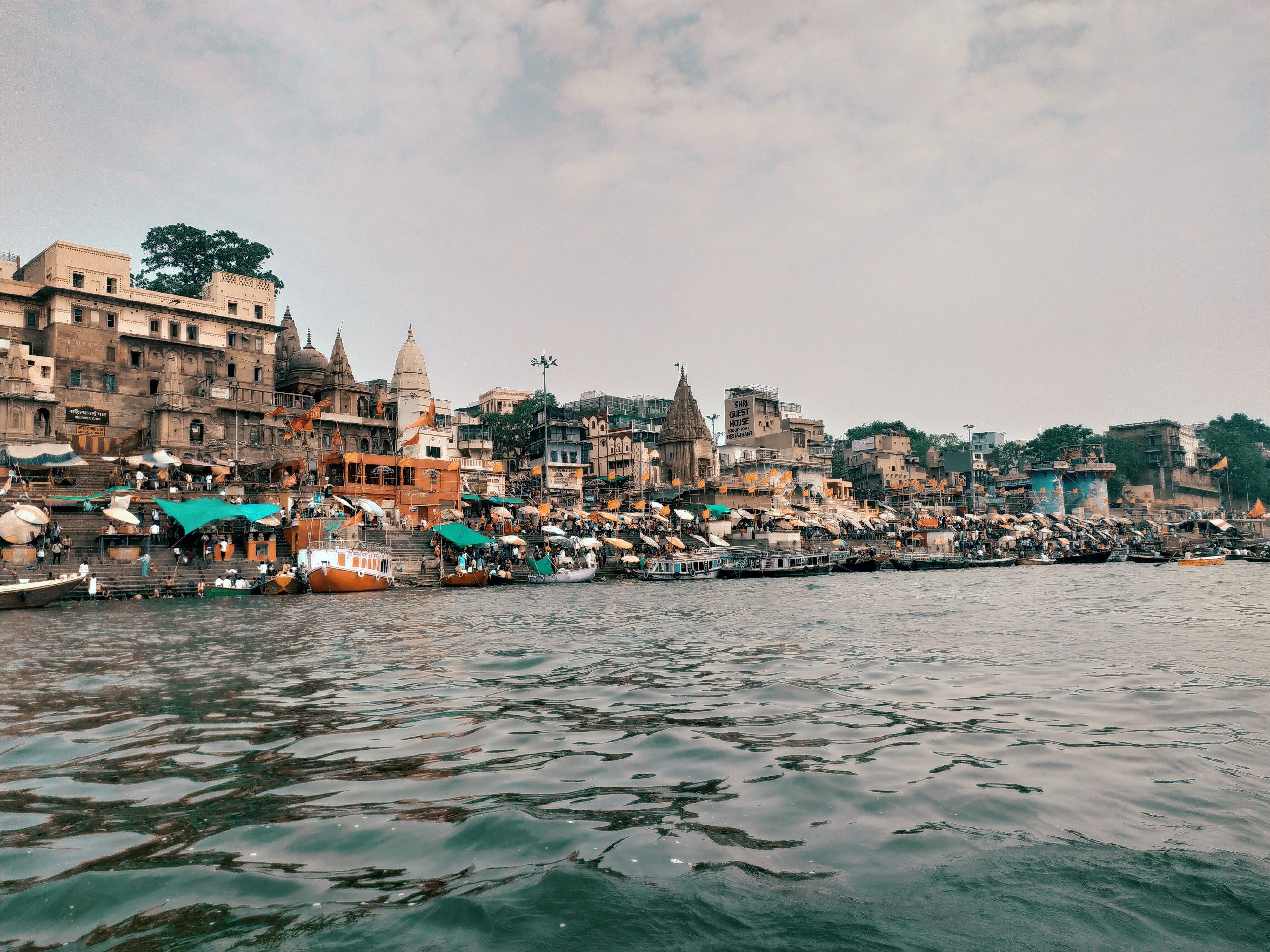
The Ganga Aarti at Dashashwamedh Ghat happens every single night, free, no ticket required. Anyone near the ghats selling “Aarti tickets” is selling you a boat seat, not entry, because there is no entry fee to sell. The ceremony starts around sunset (roughly 5:45 to 6pm in winter, closer to 7pm in summer) and runs about 45 minutes.
Here’s the part fewer guides mention: the sunrise boat ride from Assi Ghat, leaving around 5 to 5:30am, is the experience seasoned travelers to Varanasi tend to rate above the evening Aarti itself. You see the city doing its actual daily routine, cremation ghats, laundry, morning prayers, without the crowds or the performance element the evening draws. If you’re only there one night, I’d pick the sunrise ride over sleeping in for the Aarti.
Boat prices aren’t government-fixed, so agree the fare over WhatsApp before you get in. A shared seat runs ₹80 to 500; a private rowboat 500 to 3,000. Give Varanasi two to three days, one evening for the Aarti, one dawn for the river, and a possible half-day trip out to Sarnath.
Kerala’s backwaters: slower than you’re expecting, and that’s the point
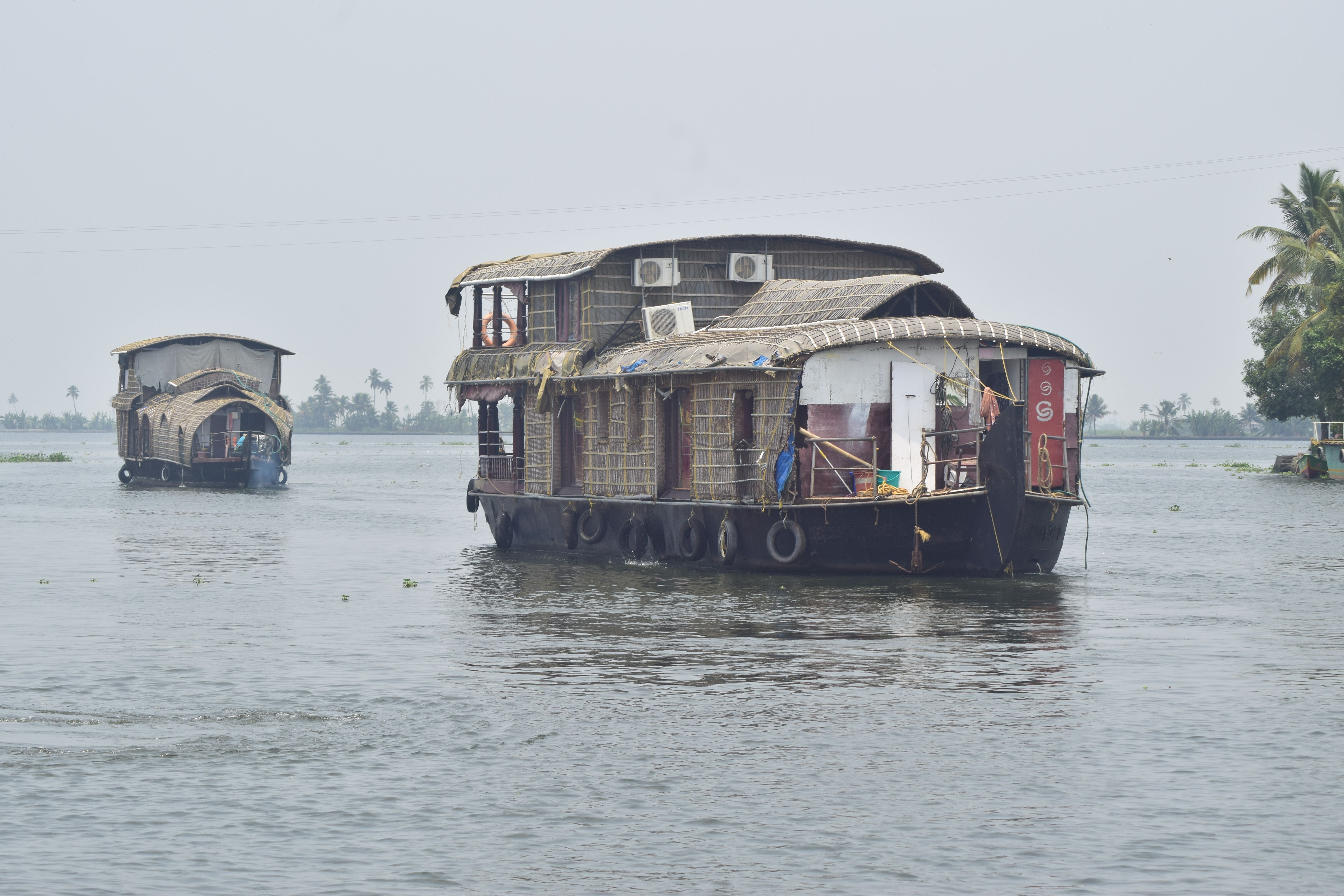
A houseboat night in Alappuzha runs noon check-in to roughly 9am check-out, but the boat itself only moves for 6 to 7 hours of that. It anchors around 6pm and doesn’t start again until 7:30 or 8am, a local regulation meant to protect fishermen’s nets at night. That anchored evening, dinner on deck, water going still, is what most people describe afterward as the actual highlight, more than the daytime cruising.
One night covers the core experience. A second night gets you into quieter side canals a bigger houseboat can’t reach, which is where hiring a small non-motorized shikara for a couple of hours (roughly ₹1,500 to 2,500) earns its cost. Deluxe houseboats run ₹7,000 to 10,000 a night; check whether “AC” means all day or just 9pm to 6am before you book for the hotter months. October through March is the reliable window, with January the most comfortable at 22 to 30°C. If you land in August, the Nehru Trophy Snake Boat Race at Punnamada Lake, with chundan vallam over 100 feet long carrying up to 150 rowers, is worth building a date around.
Goa: the beach everyone recommends, and where to go instead once you’ve seen it
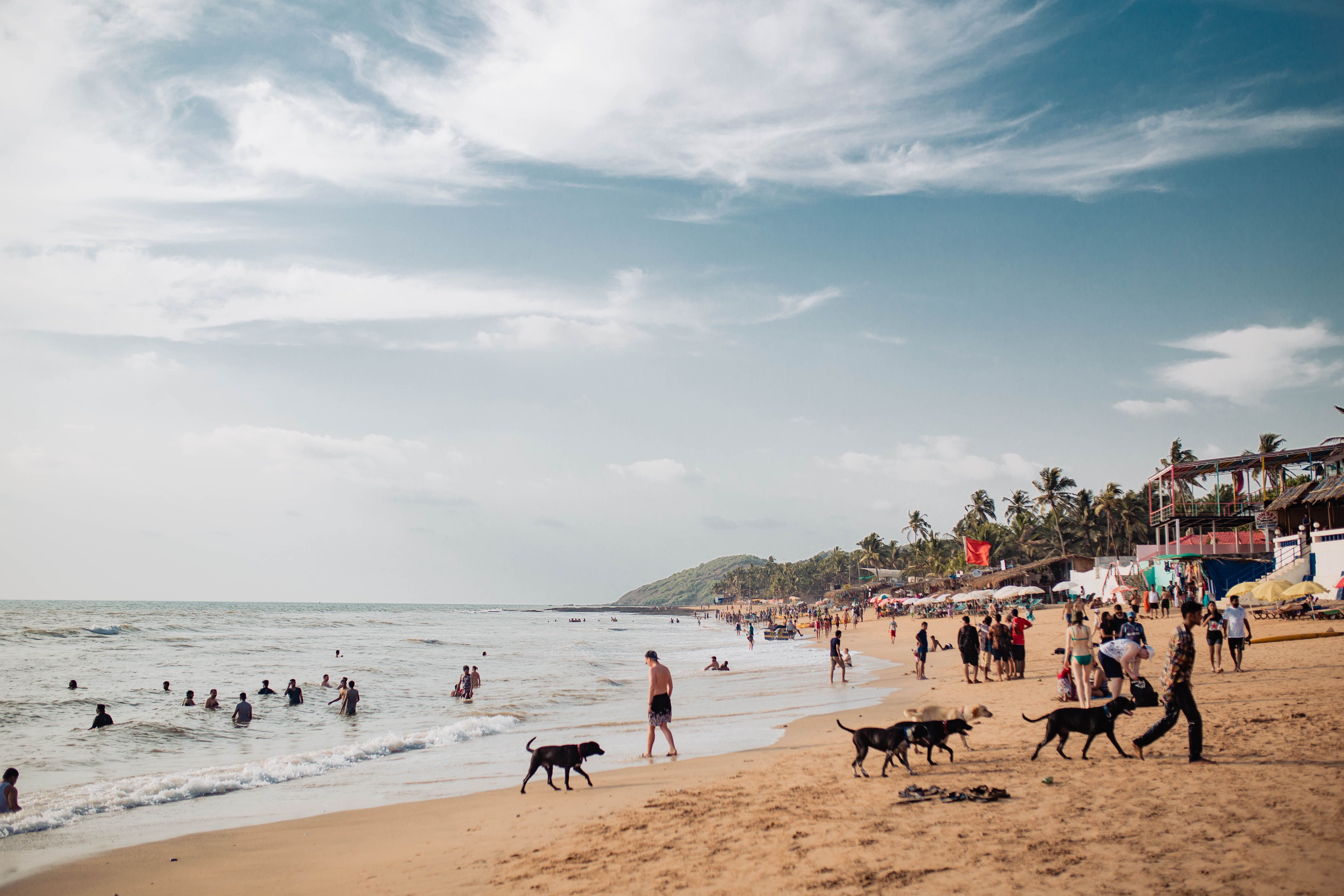
Baga is the loud version of Goa, and it’s worth knowing that before you arrive expecting a quiet beach. Tito’s Lane and Café Mambo anchor the nightlife strip, cover charges included on event nights. November through February is peak season, with genuinely pleasant 20 to 30°C weather, and December especially can triple driving time between north and south Goa on the narrow village roads.
Go to Baga early morning or at sunset if you want it without the crowd, then treat the rest of Goa as the actual destination. Morjim and the South Goa beaches sit close by and are considerably calmer. If you’re renting a scooter, carry your driving license; roadside checks are routine here, more than in most of the country.
Ladakh: the trip that requires patience before it gives you anything
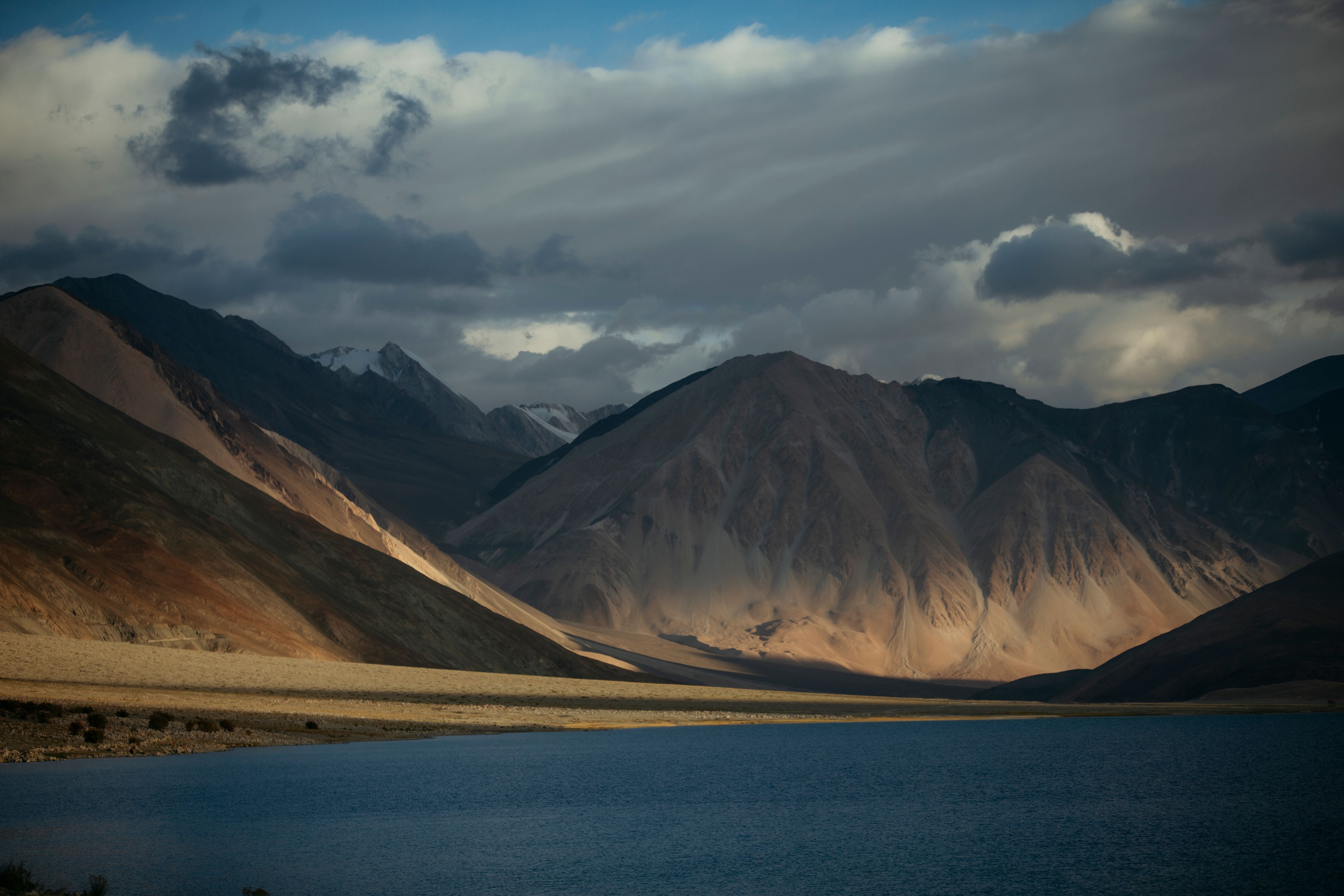
Pangong Lake sits at 4,350 meters. Leh, where you’ll fly in, sits at 3,500 meters. The road between them crosses Chang La Pass at 5,360 meters, which is higher than the lake you’re driving to see. That crossing is medically the harder part of the day, not the lake itself, and it’s the reason official guidance calls for at least two full nights in Leh before attempting the drive. Skipping acclimatization is the single most common mistake first-time visitors make here, and it’s an avoidable one.
Only about a third of Pangong actually lies inside India; the rest extends into Chinese-administered territory. Every visitor needs a permit, arranged through a registered Leh travel agent for foreign nationals, and the system shifted from the old Inner Line Permit to a newer Environment Development Fee model in 2025, so check current requirements close to your travel date rather than trusting an older blog post. Bring physical photocopies of your permit; checkpoints along the way keep copies, and phones lose signal fast in the cold.
June through September is the only realistic window. September specifically gets cited as the best month, clearer skies, sharper color in the water, thinner crowds. Nights near the lake drop close to freezing even in July, which surprises people who packed for what they assumed was a summer destination.
Five destinations, side by side
| Destination | Best months | Days worth giving it | The one thing to know first |
|---|---|---|---|
| Jaipur | October to March | 3 | Hawa Mahal’s façade is free to photograph from the street |
| Varanasi | October to March | 2 to 3 | The Aarti has no entry fee; the sunrise boat ride often beats it |
| Alappuzha (Kerala) | October to March | 1 to 2 nights on the water | Boats anchor by 6pm; the evening, not the cruising, is the highlight |
| Goa (Baga) | November to February | 3 to 5, spread across regions | Baga is the loud strip; the rest of Goa is quieter and close by |
| Ladakh (Pangong) | June to September | 2 nights in Leh first, then the trip | Acclimatize before the Chang La crossing, not after |
Figures current as of the fee revisions and season data checked in 2026; monument prices and permit rules in India change often enough that a quick recheck before booking is worth the two minutes.
Delhi, Mumbai, and Pune: the cities you’ll pass through either way
Most first trips start in Delhi whether that’s the plan or not, since Indira Gandhi International handles more international traffic than any other Indian airport. The city holds three UNESCO World Heritage sites (Qutub Minar, Humayun’s Tomb, Red Fort), more than anywhere else in the country, and three days is a realistic minimum if you want Old Delhi, Lutyens’ Delhi, and the South Delhi Mughal sites without rushing any of them. Connaught Place and the areas around it stay busy well past midnight, bars and rooftop lounges mostly, and like any big capital city, searches for things like Delhi call girls sit in the same online space as restaurant bookings and club listings, part of a late-night economy most first-timers never notice until they’re scrolling options at 11pm on their first jet-lagged night.
Mumbai is the other major gateway, and it runs on a different energy entirely, financial capital by day (home to the Bombay Stock Exchange, Asia’s oldest, founded 1875) and Bollywood’s production base by output, churning out over 1,500 Hindi-language films a year, more by volume than Hollywood. The Gateway of India and Marine Drive are the obvious stops, but Bandra’s café strip and Colaba’s bars are where the city actually keeps going after dark. That after-hours pattern holds here too: searches for Mumbai call girls turn up in roughly the same volume as rooftop bar reservations, one more sign that Mumbai genuinely doesn’t slow down once the sun goes down.
Pune gets mentioned less as a tourist destination and more as what you pass on the way to the Lonavala hill stations, or as the quieter, university-heavy counterpart to Mumbai three hours down the expressway. It’s home to Fergusson College and the Serum Institute of India, the world’s largest vaccine manufacturer by volume, and its Hinjewadi IT park alone employs over 300,000 people. That tech and student population has changed the city’s after-hours scene more than its “quiet Deccan town” reputation suggests. Listings for Pune call girls show up in local searches right alongside the pub recommendations for Koregaon Park, evidence that Pune’s nightlife has caught up with its bigger neighbors even if the city’s reputation hasn’t caught up with the reality yet.
Where I’d push back on the standard advice
The common recommendation for a first trip is Delhi, Agra, Jaipur, and stop there, treat the rest as a “someday” list. I think that undersells what a first-timer actually gets out of contrast. Doing only the Golden Triangle gives you Mughal and Rajput heritage and nothing else, no coast, no mountains, no river culture. Adding Varanasi and either Kerala or Goa costs maybe four extra days and gives you a far more honest picture of how different India actually is region to region. Ladakh is the one exception I’d hold back from a true first trip unless you already have a few weeks and a tolerance for altitude planning. It’s spectacular, but it demands a level of acclimatization scheduling that competes with everything else you’re trying to fit in.
Common questions first-time visitors ask
Do I need a visa before I arrive, or can I get one on the spot? You need to apply in advance through the e-Visa system at indianvisaonline.gov.in; visa-on-arrival is only available to nationals of Japan, South Korea, and the UAE.
Is tap water safe anywhere in India? No, stick to sealed bottled water everywhere, including for brushing your teeth, regardless of how upscale the hotel is.
What’s the single most common tourist scam to watch for? The “your hotel is closed, I’ll take you to a better one” line from taxi drivers near major train stations, especially around New Delhi Railway Station. Call your hotel directly if you hear it.
Is India safe for solo female travelers? South India, Goa, and Himalayan hill towns like Rishikesh consistently get rated more relaxed for solo women than North Indian cities. Women-only train coaches and metro cars exist on most major routes, which is a genuinely useful and often overlooked option.
How many days does a realistic first trip need? Two to three weeks covering four or five of the regions above, at the pace described, rather than a rushed ten-day sprint trying to see everything at once.
How this was put together
Facts here came from the Ministry of Tourism’s official data portal for arrival statistics, the Leh district’s official permit tracking site for Ladakh’s altitude and permit rules, and current 2026 fee listings for Hawa Mahal and houseboat pricing, cross-checked against multiple current travel guides rather than a single source. Monument fees, permit systems, and visa rules in India change often enough that anything price-related here should get a quick recheck before you actually book. I couldn’t independently verify houseboat operator pricing beyond the ranges multiple sources agreed on, so treat those as a reasonable estimate rather than a fixed rate.